
Texas Construction Accident Third-Party Claims Explained
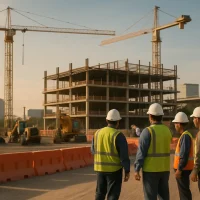
Construction work often involves multiple companies operating on the same site. When a worker is injured, the employer may not be the only entity whose conduct, property, or equipment is relevant to the accident.
A Texas construction accident third-party claim may be possible when a contractor, subcontractor, property owner, equipment manufacturer, or another non-employer contributed to the injury. Before evaluating that possibility, however, an injured worker generally needs to document what happened, obtain appropriate medical attention, and identify every business involved. Turley Law Firm provides a guide to construction accident claims that explains foundational issues such as fault, evidence, damages, and deadlines.
This article explains how employer status, workers’ compensation coverage, site control, dangerous conditions, and defective equipment can affect potential claims in Texas, including Dallas. It is an educational framework—not a determination of liability in any individual case.
Can an Injured Construction Worker Sue Someone Other Than an Employer in Texas?
Generally speaking, an injured construction worker may have a claim against a third party if that party owed a legal duty, failed to use reasonable care or otherwise violated an applicable obligation, and caused legally recognized harm. The key question is often not simply “Who employed me?” but “Who controlled, created, supplied, or failed to address the condition that caused the injury?”
Why the employer’s status matters
Texas workers’ compensation rules can affect the path of a claim. An employer that carries workers’ compensation coverage may be subject to rules that limit certain suits by employees against the employer. Workers’ compensation benefits and a separate claim against a negligent third party are different legal matters, although they can arise from the same incident.
If an employer does not carry workers’ compensation insurance, the worker’s potential rights and the employer’s possible defenses may differ. The analysis can also become more complicated when a worker is classified as an employee of one company but supervised or directed by another. The Texas Department of Insurance Division of Workers’ Compensation may have records and educational resources relevant to coverage questions, but an attorney may need to review the specific employment arrangement.
Identifying the businesses on the project
Construction sites may include general contractors, subcontractors, temporary labor providers, property owners, engineers, equipment suppliers, and maintenance companies. Pay stubs, onboarding documents, safety materials, work orders, badges, photographs, and witness information may help establish who hired, supervised, or controlled the work. These details are especially important in Dallas projects involving several layers of contracting.
When May Contractors, Site Owners, or Manufacturers Be Liable?
A third-party claim depends on facts connecting a particular entity to the accident. Simply being present at a construction site, signing a contract, or owning equipment does not automatically establish liability. Investigators generally examine the entity’s role, knowledge, control, conduct, and relationship to the hazard.
Contractors and subcontractors
A contractor or subcontractor may become relevant when its work or supervision contributed to an injury. Examples can include inadequate warnings about a known hazard, unsafe scheduling or coordination, failure to follow an agreed safety plan, improper installation, or leaving materials in a dangerous location. These examples are not conclusions that negligence occurred; the evidence must support the legal elements of a claim.
The worker may need to determine which company created the condition, directed the task, supplied the crew, inspected the area, or had authority to correct the problem. The construction site negligence lawsuit steps can help readers understand why preserving project records, identifying witnesses, and investigating each company’s role may matter.
Site owners and dangerous property conditions
A property owner or other possessor may be considered when an unsafe condition on the premises caused the injury. Potential issues can include an unguarded opening, unsafe access route, unstable surface, inadequate lighting, or another physical condition. The analysis may turn on who knew or should have known about the condition, who controlled the area, and whether reasonable warnings or repairs were required.
That is distinct from a claim based on how a contractor performed construction work. Readers evaluating premises liability claims involving construction sites should understand that ownership alone does not answer the duty and control questions.
Equipment manufacturers and suppliers
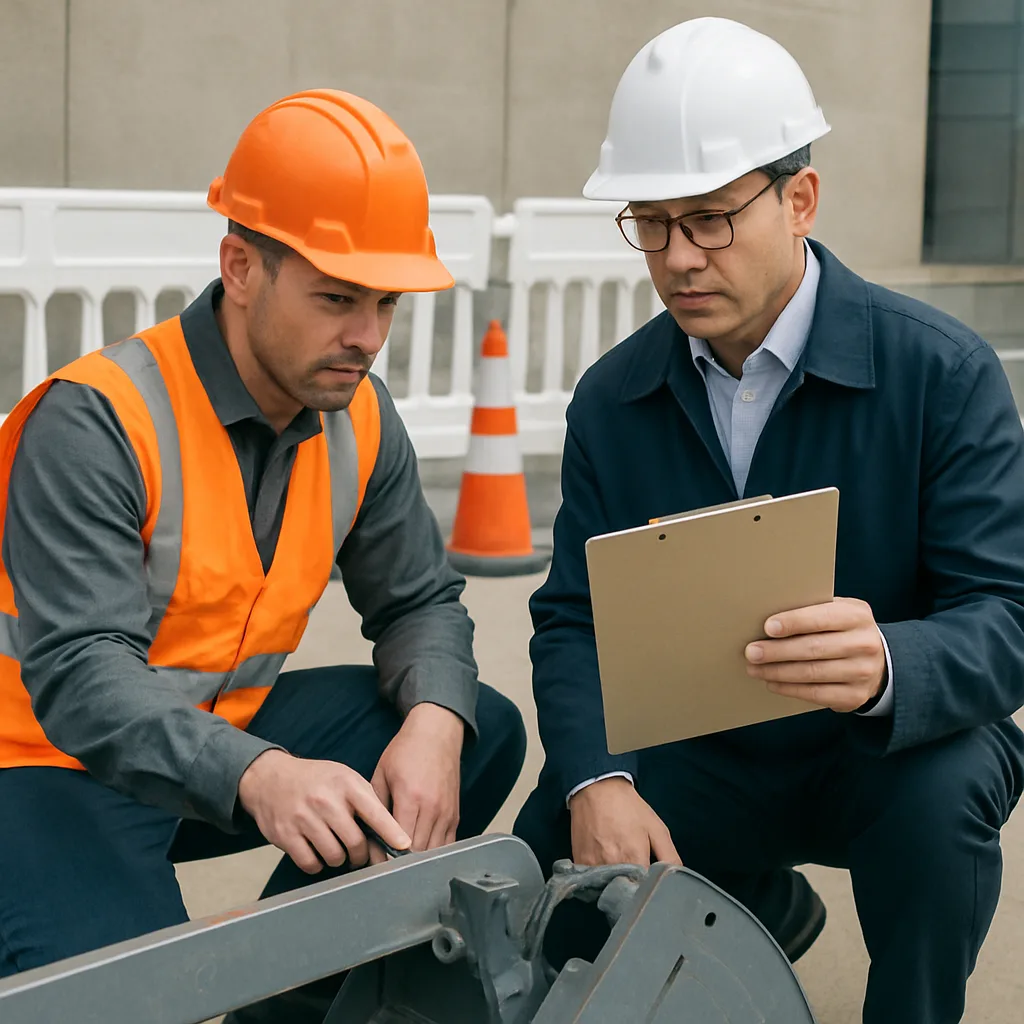
Machinery, tools, vehicles, scaffolding, and protective equipment may raise product-liability questions when a defect, inadequate warning, or design problem allegedly contributed to an injury. A product case may require technical evidence, maintenance records, purchase information, and an examination of whether the equipment was altered or misused. Photographs of the equipment and the accident scene may be valuable, but the item should generally be preserved rather than discarded or repaired without considering its evidentiary importance.
How to Evaluate a Texas Construction Accident Third-Party Claim
A worker-focused review should proceed from facts rather than assumptions. Depending on the circumstances, an attorney may examine the following:
- Incident reporting: Report the accident through the applicable workplace process and keep a copy or record of what was reported. A prompt report can help preserve the basic timing and description of the event.
- Medical documentation: Seek appropriate medical evaluation and follow the treating professionals’ instructions. Keep records of appointments, restrictions, bills, and symptoms without minimizing or exaggerating what occurred.
- Employer and insurance status: Identify the employer of record and determine whether it carries Texas workers’ compensation coverage. Do not assume that a supervisor, staffing company, or general contractor is the legal employer.
- Site and equipment evidence: Preserve photographs, videos, names of witnesses, equipment information, safety communications, and relevant clothing or protective gear. Conditions can change quickly after a construction accident.
- Liability connection: Identify the duty, conduct, or dangerous condition tied to the proposed defendant. A claim generally requires more than proof that an injury happened at a busy worksite.
- Damages and deadlines: Document wage loss and other injury-related losses, while recognizing that Texas deadlines and procedural requirements may vary by claim type and facts.
The resource on how to determine whether you have a personal injury claim offers a broader framework for reviewing duty, causation, damages, and possible defenses.
Common mistakes that can complicate a claim
Workers sometimes wait to report an accident, discuss fault before the facts are clear, sign documents they do not understand, or allow equipment and scene evidence to disappear. Others assume that receiving workers’ compensation benefits automatically prevents every claim against another company. These issues do not decide a case by themselves, but they can make investigation more difficult.
Because construction projects often involve changing crews and overlapping insurance policies, prompt review may help clarify which entities and records matter. In Dallas and elsewhere in Texas, the appropriate filing location, deadline, and litigation process depend on the parties and the legal theory involved.
Frequently Asked Questions
Can I sue a general contractor if my subcontractor employer had workers’ compensation insurance?
Possibly, depending on the general contractor’s role and the facts connecting its conduct to the injury. Workers’ compensation coverage for the employer does not automatically resolve whether a separate third-party claim exists. The investigation may consider site control, supervision, warnings, coordination, contractual duties, and causation. Texas law can also recognize defenses or limitations that depend on the relationship among the companies.
What if I do not know which company caused the dangerous condition?
That is common on large projects. Incident reports, photographs, witness accounts, contracts, daily logs, inspection records, and safety communications may help identify the responsible entity. A worker generally does not need to know every legal conclusion immediately, but preserving available information can support a later investigation. An attorney can review the project structure and help determine which parties may need to be investigated.
Can I bring a claim if defective equipment caused my construction injury?
A product-related claim may be possible when a defect or inadequate warning allegedly caused the injury, but the evidence must support that theory. Relevant information may include the equipment’s make and model, purchase or rental records, maintenance history, warnings, modifications, and photographs. Product claims can involve technical questions and different deadlines, so the facts should be reviewed under applicable Texas law.
Does accepting workers’ compensation benefits waive a claim against another company?
Not necessarily. Workers’ compensation benefits and a claim against a non-employer are generally separate issues. However, coverage status, settlements, reimbursement rights, releases, and other procedural matters can affect how claims are handled. A worker should not assume that benefits either create or eliminate a third-party lawsuit. The effect of any document or agreement depends on its language and the circumstances.
How Turley Law Firm Can Help
Turley Law Firm is dedicated to helping injured workers understand how a construction accident may involve more than one potentially responsible entity. The firm can evaluate the employer relationship, workers’ compensation status, contractor and subcontractor roles, site ownership, equipment issues, available evidence, and potential injury-related losses.
For workers in Dallas and throughout Texas, early legal review may help preserve records, identify insurers, and assess whether a third-party claim fits the facts. Turley Law Firm is committed to fighting for clients’ rights while providing a candid evaluation of available legal options. Contact the firm for a free consultation or case evaluation with a Dallas injury attorney.
The information in this article is for educational purposes only and does not constitute legal advice. Contact a qualified attorney licensed in Texas; Dallas, TX for advice specific to your situation.


