
When Brake Failure Causes a Crash: Driver Negligence or Product Defect?
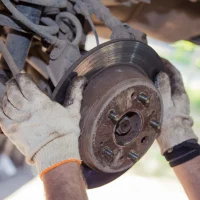
Brake failure is one of the most frightening situations a driver can experience. A vehicle may suddenly fail to slow down, stop, or respond normally when the driver presses the brake pedal. On a busy Dallas-area roadway, even a few seconds without reliable braking can result in a serious collision. But when brake failure causes a crash, an important question follows: Was the crash caused by driver negligence, or did a defective vehicle component make the collision unavoidable?
The answer is not always straightforward. Brake problems can result from poor maintenance, improper repairs, or driver error. They can also result from defective brake pads, rotors, hydraulic components, electronic systems, brake lines, or other automotive parts. In some cases, a manufacturing or design defect may cause a failure even when the vehicle has been properly maintained.
At Turley Law Firm, our defective auto part product liability practice examines whether a vehicle defect contributed to a crash or made the resulting injuries worse. Determining what caused a brake failure requires more than simply looking at the damaged vehicle. It may require examination of the braking system, maintenance history, electronic data, repair records, and the vehicle’s design and manufacturing.
How Brake Failure Can Cause a Crash
A vehicle’s braking system contains numerous components that must work together. Depending on the vehicle, the system can include brake pads, rotors, calipers, brake lines, master cylinders, brake fluid, electronic sensors, anti-lock braking systems, and electronic controls. A failure involving any of these components can interfere with a driver’s ability to stop. For example, severely worn brake pads may reduce braking performance. A damaged brake line can cause a loss of hydraulic pressure. A defective electronic component can interfere with an anti-lock braking system or electronic brake control.
Brake failure does not necessarily mean that the brakes stop working completely. A vehicle that requires substantially greater stopping distance because of a defective component can also present a serious safety hazard. If a driver reasonably expects the vehicle to stop within a certain distance and a defective braking system prevents that from happening, the resulting crash may warrant investigation as a potential product liability case.
When Driver Negligence May Be Responsible
Drivers have responsibilities when it comes to vehicle maintenance and operation. If a driver knowingly operates a vehicle with severely worn brakes or ignores obvious warnings that the braking system needs repair, the driver’s conduct may contribute to a collision. Examples of potential driver negligence include failing to replace worn brake components, continuing to drive after a brake warning light appears, ignoring unusual grinding or braking behavior, overloading a vehicle beyond its safe capacity, or failing to have known braking problems repaired. However, the fact that a vehicle’s brakes were worn or malfunctioning does not automatically establish driver negligence. An investigation must determine why the brakes failed, whether the problem was reasonably detectable, and whether another party’s conduct caused or contributed to the failure.
Driver behavior immediately before the crash can also be relevant. Following another vehicle too closely, driving at an excessive speed, or failing to respond appropriately to an obvious mechanical problem may affect liability.
When a Defective Auto Part May Be to Blame
A brake failure can result from a defective product. Automotive manufacturers and component suppliers have an obligation to produce parts that are reasonably safe for their intended and foreseeable uses. A product liability claim may arise when a brake component contains a manufacturing defect, has an inherently dangerous design, or lacks adequate warnings or instructions.
A manufacturing defect occurs when a particular component departs from the manufacturer’s intended design. For example, a batch of brake components could contain improperly manufactured parts that are more likely to fracture or fail.
A design defect is different. In a design defect case, the problem may exist throughout a particular product line because the underlying design is unreasonably dangerous. A braking component could be manufactured exactly according to specifications and still present a safety problem because the specifications themselves are defective.
The investigation may also examine whether the manufacturer knew about prior failures, complaints, warranty claims, testing results, or other evidence indicating that the component presented a safety risk.
Brake Failure and Crashworthiness
Product liability does not necessarily end with determining what caused the crash. A defective vehicle component may also be responsible for making the injuries worse. This is where crashworthiness becomes important. Suppose a defective brake component causes a vehicle to collide with another vehicle. The braking defect may explain why the collision occurred, but additional vehicle defects could determine how severely the occupants were injured. Defective airbags, seatbelts, roof structures, seats, or other safety systems may contribute to enhanced injuries.
In those circumstances, multiple product defects may need to be investigated. A vehicle manufacturer or component manufacturer could potentially face liability for injuries that would have been less severe if the vehicle had been properly designed and equipped.
What Evidence Can Reveal the Cause of Brake Failure?
Determining whether brake failure resulted from negligence or a defective product requires careful evidence preservation. The damaged vehicle may provide critical physical evidence. Investigators may examine brake pads, rotors, calipers, brake lines, fluid levels, electronic components, tires, and other parts of the braking system. Photographs taken immediately after the collision can also be important. Maintenance and repair records, meanwhile, can help establish whether the vehicle was properly maintained. Records may identify previous brake problems, replacement parts, recalls, warranty repairs, or complaints involving the same component.
Electronic data can also be important in modern vehicles. Depending on the vehicle and circumstances, diagnostic information or event data may help establish what the vehicle’s systems were doing immediately before the collision. Witness statements, surveillance video, traffic-camera footage, police reports, and accident reconstruction can provide additional evidence about what happened before impact.
Do Not Let the Vehicle Be Destroyed Before It Is Investigated
Preserving the vehicle is particularly important in a potential defective auto part case. Insurance companies and repair facilities may have an interest in repairing or disposing of a severely damaged vehicle. Once critical components are removed or discarded, it may become significantly more difficult to determine whether a defective part caused the crash. If there is a reasonable possibility that a defective braking component contributed to the collision, the vehicle and relevant parts should be preserved for inspection. A qualified attorney can help coordinate preservation and inspection before evidence is lost.
Recalls Can Provide Important Evidence
A vehicle or brake component recall does not automatically prove that a particular crash resulted from the recalled defect. Nevertheless, recall information can be an important starting point for an investigation. A recall may indicate that a manufacturer or federal safety regulator identified a recurring safety problem involving a particular component, vehicle model, or manufacturing process. Investigators can determine whether the vehicle involved in the collision was subject to the recall and whether the identified defect is consistent with the failure that occurred. Even when no recall exists, a product may still be defective. A recall is not a prerequisite for a product liability claim.
Who Can Be Held Responsible for a Defective Brake?
Depending on the circumstances, several parties may potentially be responsible for a defective braking system. The vehicle manufacturer may be liable if the vehicle’s braking system was defectively designed or assembled. A component manufacturer may be responsible for a defective brake part. A distributor or other entity in the chain of distribution may also become involved depending on the facts and applicable law. A repair facility or mechanic could potentially be responsible when negligent installation or repair causes a brake failure. For example, improperly installed brake components may create a dangerous condition that would not otherwise have existed.
Determining liability therefore requires identifying the precise failure and tracing it back through the vehicle’s design, manufacture, sale, maintenance, and repair history.
Texas Product Liability Claims Involving Defective Brakes
Texas law provides causes of action for certain injuries caused by defective products. Product liability litigation can involve complicated questions concerning design, manufacturing, warnings, causation, and the applicable statute of limitations.
Texas law also recognizes the importance of determining whether a safer alternative design was available in certain design defect cases. The technical evidence may therefore extend beyond the failed component itself to alternative designs, testing, engineering decisions, and the risks associated with the product.
These cases can become particularly complex when the manufacturer argues that improper maintenance, driver behavior, normal wear and tear, or another mechanical problem, not a defect, caused the crash.
What Should You Do After a Crash Involving Brake Failure?
Seek medical attention for any injuries, report the crash, and preserve photographs and other available evidence. If you believe brake failure contributed to a collision, take steps to preserve evidence and document what happened.
Pay particular attention to anything you noticed before the crash. Did the brake pedal feel different? Did the vehicle require more distance to stop? Was there a warning light? Did you hear grinding, squealing, or another unusual sound? Did the brakes suddenly become soft or unresponsive? These details may become important when engineers and accident reconstruction experts investigate the failure.
Do not assume that the cause of the crash is obvious simply because the brakes failed. A detailed investigation may reveal that the failure resulted from a defective part, negligent repair, inadequate maintenance, or a combination of factors.
How Turley Law Firm Investigates Defective Auto Part Claims
At Turley Law Firm, we understand that determining responsibility for a vehicle failure requires a thorough investigation. Our defective auto part product liability practice examines whether negligent design, manufacturing errors, inadequate warnings, or other defects contributed to a crash.
We work with automotive engineers, accident reconstruction professionals, and other qualified experts as needed to examine the vehicle and determine how the braking system failed. We also investigate maintenance records, repair history, recalls, manufacturer information, and other evidence that may establish the source of the problem. Our objective is to identify every party whose conduct or defective product contributed to the crash and resulting injuries.
Contact Turley Law Firm
When brake failure causes a serious collision, the explanation may be more complicated than driver error or ordinary wear and tear. A defective brake component can put drivers, passengers, and everyone nearby at risk. If you or a loved one was injured after a vehicle’s brakes failed, Turley Law Firm can investigate whether a defective auto part, negligent repair, or other form of negligence contributed to the crash. Contact Turley Law Firm to discuss your case and learn about your options for pursuing compensation.


