
Texas Truck Accident Evidence: What to Preserve in Dallas
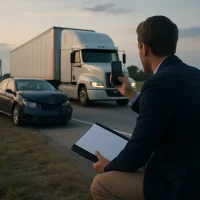
A collision with an 18-wheeler can leave an injured person focused on urgent medical care, transportation, and family responsibilities. Yet the first hours and days can also matter for preserving information about how the crash occurred. What evidence should be preserved after a Texas truck accident? In Dallas and throughout Texas, useful evidence may include photographs, witness details, vehicle data, electronic logs, maintenance files, dispatch communications, and cargo records.
Some of this information is in the possession of a trucking company, carrier, insurer, repair facility, or technology provider. It may be retained for limited periods or stored in systems that change as a vehicle is driven. Turley Law Firm can help readers understand the preservation issues that often arise in these investigations. This article explains what individuals and families can document immediately, which commercial-truck records may matter, and how an attorney may seek information an individual cannot obtain alone. For practical guidance, review these steps to preserve crash evidence after a Texas wreck as well.
What Texas Truck Accident Evidence Should Be Documented Immediately?
Personal observations and scene evidence can become harder to verify after vehicles are moved, roadway conditions change, or witnesses leave. If a person is medically able, or a family member can assist, documentation should be gathered without interfering with emergency responders or treatment.
Document the crash scene and visible conditions
Potentially useful items include:
- Photos or video of vehicle positions, damage, debris, skid marks, traffic signals, lane markings, lighting, and weather conditions
- The truck’s company markings, license plate, trailer number, and other identifying details, captured without entering unsafe areas
- Names and contact information for witnesses, responding agencies, towing providers, and nearby businesses that may have exterior cameras
- A written account of what was seen, heard, and experienced, prepared while memories are fresh
- Medical, ambulance, towing, impound, repair, prescription, and transportation records
Photographs should be saved in their original form when possible. Avoid editing the files or deleting unfavorable images. Keep copies in more than one secure location, and preserve related text messages, emails, social-media messages, and phone records that document the accident or its immediate effects.
Preserve the vehicles and personal records
Before repairs, disposal, or salvage, an attorney may recommend evaluating whether the passenger vehicle or truck contains relevant physical evidence. A family member should generally avoid attempting to inspect or remove parts. Keep damaged items, such as a helmet, child seat, or clothing, in a safe condition if they may help show the forces involved. In Dallas, photographs and records may later be reviewed alongside police materials, medical documentation, and information maintained by the commercial carrier.
Why Commercial-Truck Records May Change or Disappear
Truck cases often involve several entities, including the driver, motor carrier, vehicle owner, broker, maintenance provider, cargo handler, and insurer. The broader Texas commercial vehicle crash claims process can involve more records and potentially more parties than an ordinary passenger-vehicle collision. Each entity may control different evidence, and an individual usually cannot assume that a carrier will preserve every potentially relevant file without a specific request.
Electronic data and driver hours
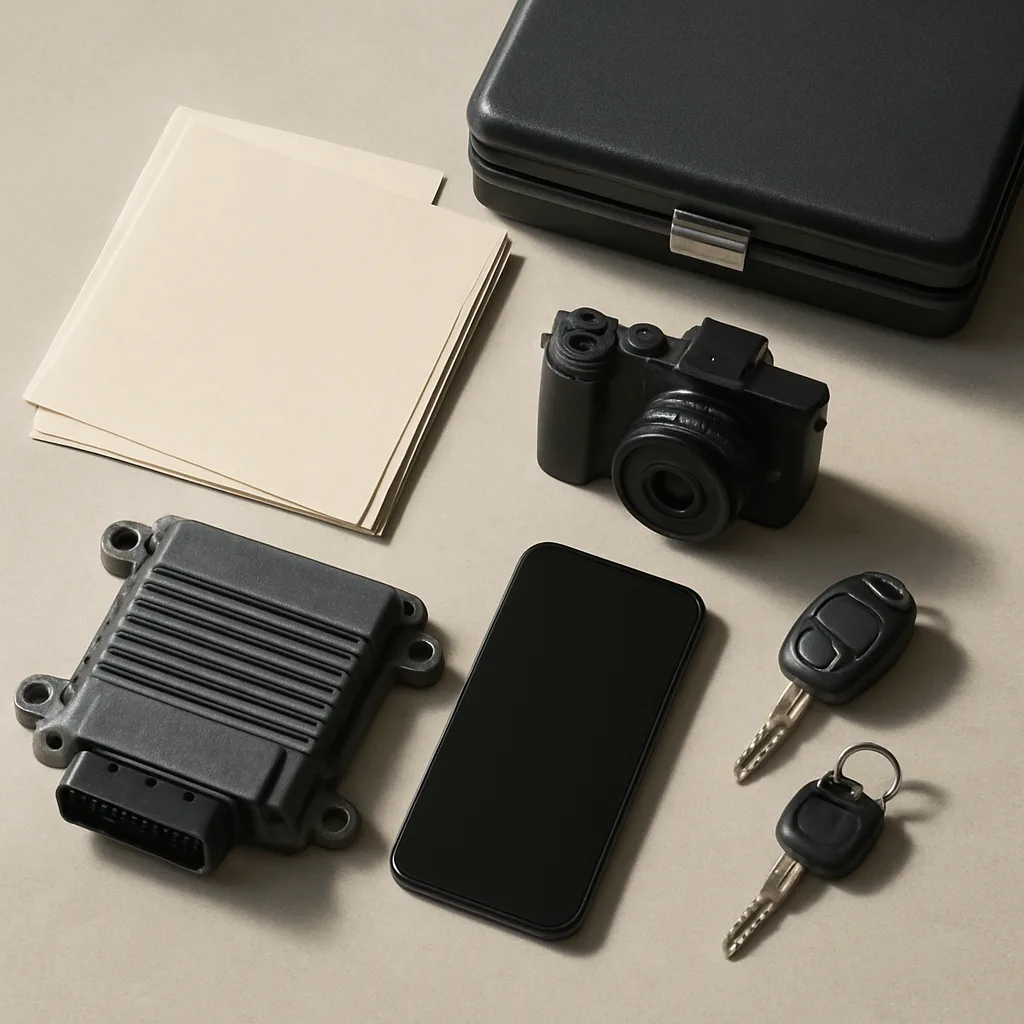
Electronic logging devices may record information about driving time, rest periods, vehicle movement, and other events. A truck’s event data recorder, sometimes called black box evidence, may contain information about speed, braking, throttle position, seat-belt use, or other vehicle conditions, depending on the equipment and the circumstances. The exact data available varies by vehicle, system, crash severity, and preservation practices.
Dispatch messages, delivery schedules, GPS information, fuel records, toll records, and time-stamped communications may help investigators compare the driver’s reported timeline with other information. They may also provide context when fatigue, scheduling, or route conditions are part of the investigation. Readers seeking background on Texas truck-driver hours-of-service rules should remember that federal and Texas requirements can depend on the type of operation and may change over time.
Maintenance, cargo, and video evidence
Relevant commercial-vehicle evidence may include:
- Pre-trip and post-trip inspection reports
- Repair orders, work orders, parts invoices, and maintenance schedules
- Tire, brake, steering, lighting, and load-securement records
- Bills of lading, weight tickets, cargo manifests, and loading documentation
- Dashcam, forward-facing camera, driver-facing camera, and surrounding-camera footage
- Driver qualification, training, licensing, disciplinary, and incident records, where legally obtainable and relevant
- Communications between the driver, dispatcher, carrier, broker, shipper, and receiver
Video systems may overwrite footage when storage capacity is reached. Electronic data can also be affected by repairs, downloads, software practices, or continued vehicle operation. That does not mean evidence was improperly destroyed; it means preservation should be addressed promptly and carefully.
How Preserved Records May Support a Texas Truck Accident Investigation
Preserved evidence does not decide liability by itself. In a Texas personal injury claim, an attorney may compare different sources to assess issues such as unsafe driving, inadequate training, improper loading, defective maintenance, employer responsibility, and whether a claimed action caused or contributed to the injuries. This is why how evidence can help prove truck negligence in Texas is closely connected to the preservation process.
Build a consistent timeline
A useful investigation may place police observations, photographs, witness accounts, medical records, ELD data, GPS information, dispatch messages, inspection reports, and video footage on a common timeline. One record may confirm or challenge another. For example, delivery communications may be compared with electronic driving data, while cargo documents may be reviewed alongside photographs of the trailer and roadway.
Avoid common preservation mistakes
People sometimes unintentionally weaken the record by:
- Posting detailed opinions about fault or injuries online
- Giving recorded statements before understanding what information is being requested
- Repairing or disposing of a vehicle without documenting its condition
- Deleting messages, photographs, location data, or social-media content
- Assuming the police report contains every commercial record relevant to the crash
- Waiting to identify nearby surveillance cameras or witnesses
These concerns do not mean a person should avoid necessary medical care or communication with an insurer. They illustrate why organized recordkeeping and timely legal guidance may be useful. In a Dallas County or other Texas claim, procedural requirements and evidence issues can depend on the facts, parties, and court involved. Texas law also varies by location and may change after this article is published.
When counsel may need to obtain records
A lawyer may send a preservation letter identifying categories of evidence and asking that potentially relevant material not be altered or discarded. Depending on the circumstances, counsel may later use formal discovery, subpoenas, inspection requests, or other lawful procedures to seek records from a carrier, owner, maintenance company, technology provider, shipper, or other entity. A Dallas truck accident lawyer who can seek protected trucking records may also coordinate vehicle inspections and qualified reviews of electronic data.
Frequently Asked Questions
How long should I keep photos and records after a Texas truck accident?
Keep original photographs, videos, messages, medical records, bills, repair documents, and witness information in a secure location for as long as the claim may remain active. Do not assume that an insurer’s file or a police report contains everything. Retention needs can depend on the injury, insurance issues, potential lawsuit, and applicable Texas procedures. An attorney can explain preservation considerations for the particular circumstances.
Can I personally request an 18-wheeler’s black box data in Texas?
You may ask the carrier or insurer about vehicle data, but access is not always voluntary or complete. The truck’s owner, carrier, manufacturer, or a data vendor may control different systems. Event data may also be subject to technical limitations or retention practices. Depending on the circumstances, counsel may use a preservation letter, subpoena, discovery request, or inspection process to seek relevant information.
What if the trucking company says the records are unavailable?
Ask that the response be provided in writing and preserve any communications about the request. “Unavailable” can mean different things, such as routine deletion, a system limitation, or a record held by another entity. The significance may depend on what was requested, when notice was given, and whether a legal duty to preserve applied. A Texas attorney can evaluate the issue without assuming misconduct.
Do cargo records matter if the truck driver caused the crash?
They may. Bills of lading, weight tickets, loading photographs, and securement records can help show what the vehicle was carrying and how it was loaded. Those details may be relevant to vehicle handling, stopping distance, stability, or the identity of parties involved in loading and shipping. Whether cargo evidence matters in a particular Texas claim depends on the collision facts and available records.
How Turley Law Firm Can Help
Turley Law Firm is dedicated to helping injured people and families understand the evidence issues that may arise after a commercial-truck collision. The firm may investigate the scene, identify potentially relevant records, evaluate available electronic and physical evidence, and communicate with parties that control trucking documents or vehicle data.
The firm is committed to fighting for clients’ rights while recognizing that every Texas personal injury matter depends on its own facts. If you or a family member was injured in Dallas or elsewhere in Texas, contact Turley Law Firm for a free consultation or case evaluation. The team is ready to evaluate your situation and discuss potential next steps.
The information in this article is for educational purposes only and does not constitute legal advice. Contact a qualified attorney licensed in Texas; Dallas, TX for advice specific to your situation.


